How Horse Racing Is Governed: Rules and Regulations
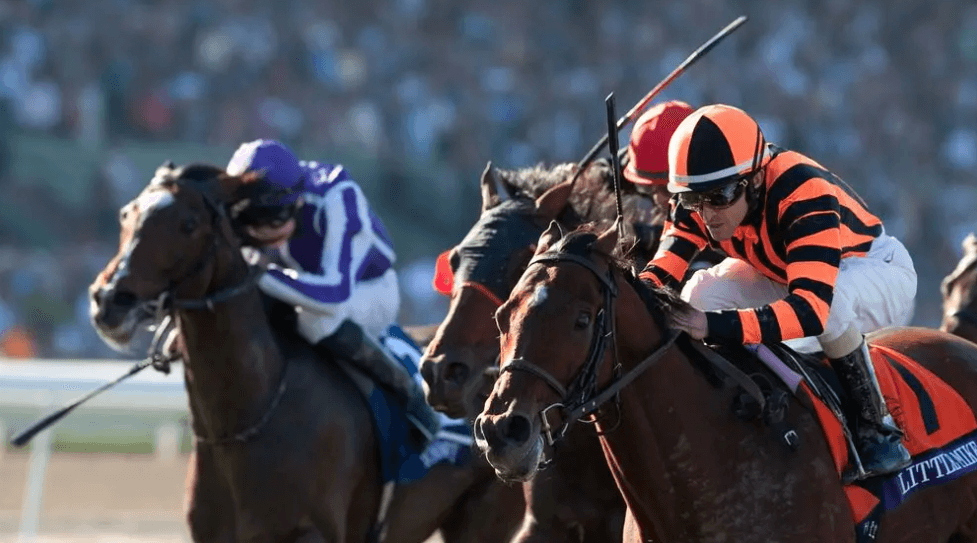
Horse racing operates within a structured framework of rules and regulations, influenced by various international governing bodies. These entities collaborate with breed associations to ensure the welfare of horses and uphold fair competition. Licensing for trainers, jockeys, and owners fosters accountability, while racecourse safety measures and anti-doping regulations safeguard integrity. Yet, the complexities of these governance structures invite deeper exploration into their effectiveness and impact on the sport.
Governing Bodies in Horse Racing
Although horse racing is a time-honored sport enjoyed globally, its governance is complex and multifaceted. Various governing bodies enforce international regulations, ensuring fair play and integrity.
These organizations collaborate with breed associations to maintain standards and promote the welfare of horses. Their collective efforts shape the sport’s landscape, balancing tradition with modern expectations, thereby fostering a vibrant racing community worldwide.
See also: How Horse Racing Breeds Influence Performance
Licensing and Certification Requirements
In order to maintain the integrity of horse racing, licensing and certification requirements play a crucial role in establishing standards for participants at all levels.
The licensing process ensures that trainers, jockeys, and owners meet specific criteria, while certification standards validate their expertise. This framework fosters accountability, promotes ethical practices, and ultimately enhances the sport’s credibility, appealing to those who value personal freedoms within regulated environments.
Racecourse Safety Regulations
Racecourse safety regulations serve as a fundamental framework for ensuring the well-being of horses, jockeys, and spectators alike.
These regulations emphasize rigorous track maintenance to prevent accidents and injuries. Additionally, they prioritize spectator safety by establishing clear guidelines for crowd management and emergency procedures.
Anti-Doping Measures and Integrity Standards
Ensuring the integrity of horse racing extends beyond safety regulations to include comprehensive anti-doping measures.
Anti-doping policies are crucial for maintaining fair competition and protecting equine athletes. Integrity enforcement involves rigorous testing and monitoring to deter substance abuse, fostering a culture of transparency.
Conclusion
In the world of horse racing, the intricate web of rules and regulations serves as the tracks that guide both horses and participants toward a fair and safe competition. Just as a well-maintained racetrack ensures a smooth run for each horse, these governing bodies and their stringent measures uphold the integrity of the sport. With each race, they strive to balance tradition and innovation, fostering an environment where both horses and their human counterparts can thrive, ultimately ensuring the spirit of racing endures.