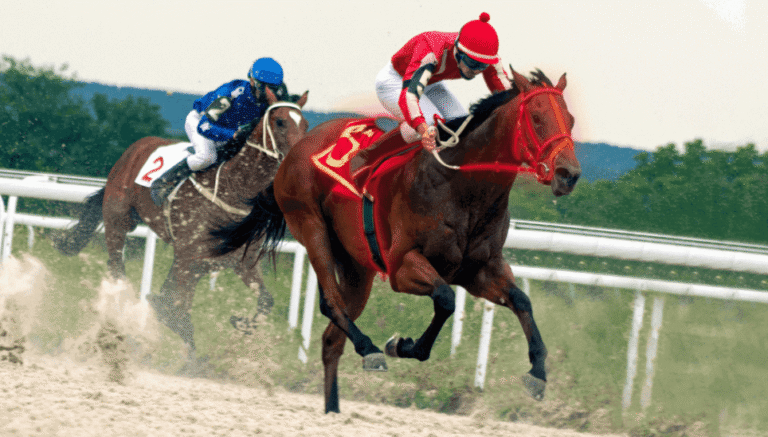
How Horse Racing Breeds Influence Performance

The influence of horse racing breeds on performance is profound and multifaceted. Each breed comes with distinct genetic traits that cater to specific racing formats. For instance, Thoroughbreds are synonymous with speed, while Arabians shine in endurance events. Understanding these differences is crucial for trainers and breeders. However, the interplay between genetics, training, and environmental factors complicates this relationship, raising questions about how best to harness these inherent strengths for competitive advantage.
The Impact of Genetics on Racing Performance
Although many factors contribute to a horse’s racing performance, genetics plays a pivotal role in determining speed, stamina, and overall athletic ability.
Genetic traits such as muscle composition and cardiovascular efficiency directly influence performance metrics. Understanding these hereditary elements enables breeders and trainers to select horses with the highest potential, fostering an environment where equine athletes can achieve their utmost capabilities and excel on the racetrack.
See also: 10 Famous Horses That Made History in Horse Racing
Key Characteristics of Popular Racing Breeds
The influence of genetics on racing performance sets the stage for understanding the distinct characteristics of popular racing breeds.
Thoroughbreds exhibit traits such as speed, agility, and competitive spirit, making them favorites in flat racing.
In contrast, Arabians showcase remarkable endurance, with a strong ability to maintain stamina over long distances.
These unique qualities define their respective roles within the racing world.
Breeding Strategies for Optimal Performance
To achieve optimal performance in horse racing, breeders must carefully consider various strategies that encompass both genetic selection and environmental factors.
Effective breeding techniques focus on the lineage of successful racers, aiming for traits that facilitate performance enhancement.
Additionally, breeders should monitor the health and temperament of their horses, ensuring a holistic approach that maximizes potential while respecting the individuality of each equine athlete.
The Role of Training and Environment in Performance
Breeding strategies play a significant role in shaping the potential of racehorses, yet the subsequent training and environmental conditions are equally vital in determining their performance on the track.
Effective training techniques tailored to individual horses amplify their innate abilities, while positive environmental factors, such as track conditions and stable surroundings, further influence performance outcomes.
Ultimately, creating a comprehensive framework for success in horse racing.
Conclusion
In conclusion, the interplay between genetics and performance in horse racing is profound, with breeds like Thoroughbreds and Arabians showcasing distinct advantages in speed and endurance, respectively. Notably, Thoroughbreds can achieve speeds of up to 40 miles per hour, underscoring their remarkable athleticism. As trainers and breeders continue to leverage these genetic traits through strategic breeding and tailored training regimens, the potential for enhanced performance on the racetrack remains a compelling aspect of equine sport.