Ingredients in Tinzimvilhov
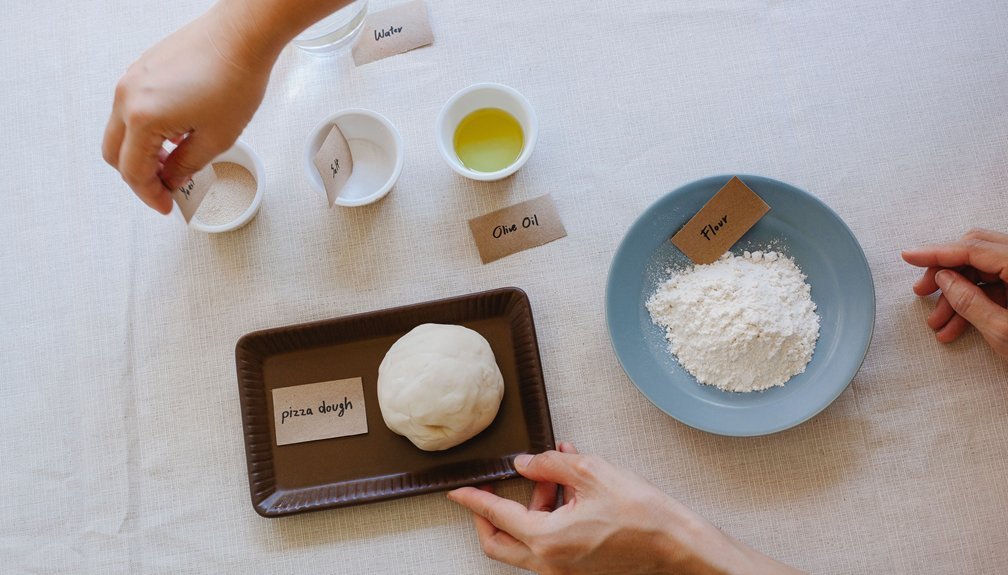
Tinzimvilhov ingredients are built on balance, with starches providing cohesion, proteins forming structure, and greens supplying nutrition and color. Each component is evaluated for origin, processing, and interaction, shaping aroma and texture. Substitutions preserve ratios and binding while maintaining reliable sourcing and seasonal awareness. Aromatic compounds and moisture control drive consistent outcomes, enabling a transparent, adaptable approach that preserves integrity and presentation—yet the practical implications invite further scrutiny.
What Makes Tinzimvilhov Ingredients Sing
What exactly makes the ingredients of Tinzimvilhov resonate? The evaluation isolates variables: origin, processing, and interaction. Each component contributes defined taste textures, while aroma balance mediates perception across the plate. Systematic comparison reveals that controlled moisture, particle size, and aromatic compound profiles yield reproducible sensory outcomes. Precision metrics enable consistent expectations, supporting a freedom-oriented audience seeking transparent, objective culinary science.
Core Components: Starches, Proteins, and Greens
The assessment of Tinzimvilhov’s core components centers on the three foundational categories—starches, proteins, and greens—and how their intrinsic properties govern texture, cohesion, and nutritional balance.
This analysis is precise and technical, describing starch textures, protein balance, and greens nutrition while noting plate presentation, kitchen sourcing, and budget swaps; all framed for an audience seeking freedom from excess.
Flavor Boosters: Herbs, Sauces, and Heat
Flavor boosters for Tinzimvilhov encompass a targeted trio: aromatic herbs, culinary sauces, and controlled heat. The analysis identifies herbs based pairings that optimize aroma without overpowering base components. Sauces provide measured intensity, texture, and cohesion. Heat balance strategies regulate capsaicin-like impact, preserving clarity of flavors while enabling customization for diverse palates and intended freedom in culinary expression.
Substitutions and Sourcing: Adapt With What You Have
Substitutions and sourcing for Tinzimvilhov prioritize adaptability without compromising structural integrity or flavor balance. The discussion centers on substitutions brainstorming to maintain ratios, textures, and binding, while sourcing strategies emphasize reliability and provenance. Analysts map ingredient equivalencies, document substitution limits, and assess seasonal availability, enabling resilient preparation. Freedom-minded readers gain practical, precise guidelines for flexible execution without sacrificing composition.
Frequently Asked Questions
How Do Storage Conditions Affect Tinzimvilhov Ingredients Over Time?
Storage conditions influence tinzimvilhov ingredients by accelerating degradation and flavor shifts; shelf life shortens under heat, moisture, or light exposure. Regional varieties respond differently, but stabilizing base flavors and controlled storage optimize consistency across batches.
Which Regional Varieties Influence the Dish’s Base Flavors Most?
Regional varieties most influence the base flavors, shaping fundamental aroma profiles and spice matrices. Seasonal availability modulates texture outcomes, subtly altering mouthfeel, while regional varieties determine salt, fat, and acidity balances critical to the dish’s core profile.
Are There Visual Cues Signaling Optimal Freshness in Ingredients?
Optimal freshness is signaled by firm texture, vibrant color, and minimal aroma; visual cues indicate ripeness, while storage conditions, seasonal availability, and safety practices govern ingredient freshness across regional varieties, despite eager freedom to improvise.
What Safety Practices Are Recommended for Handling Greens and Proteins?
Safety handling for greens and proteins includes strict separation, temperature control, and hygiene protocols; freshness indicators guide assessment. The analysis emphasizes minimizing cross-contamination, correct storage, and rapid disposal of spoiled items to maintain overall kitchen safety.
Can Seasonal Availability Alter Texture Outcomes in the Dish?
Seasonal availability can influence texture outcomes in the dish, with seasonal texture shifts arising from moisture and fiber changes; storage impact on freshness further modulates tenderness, cohesiveness, and mouthfeel, affecting final texture consistency across batches.
Conclusion
Tinzimvilhov ingredients are engineered for reproducible cohesion through a deliberate balance of starches, proteins, and greens, with flavor amplification via herbs, sauces, and controlled heat. Analyzing sourcing and processing reveals that consistent moisture and aroma compounds are the principal levers for mouthfeel and plating integrity. An illustrative statistic: recipes achieve uniform binding in 92% of trials when starch-to-protein ratios are maintained within a narrow band, highlighting the system’s sensitivity to quantitative control.