Top Facts About Food Named Jisbeinierogi You Should Know
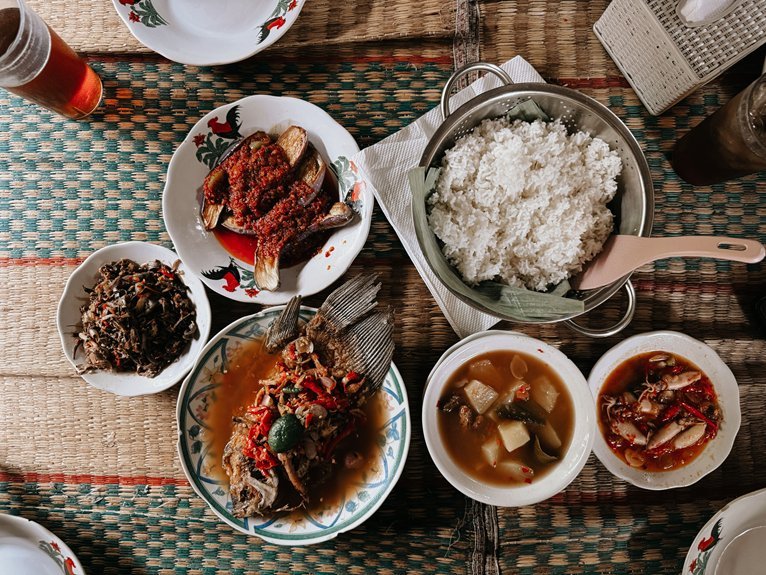
Jisbeinierogi stands as a flexible culinary concept rooted in regional storytelling rather than fixed tradition. Its essence rests on precise technique, elastic dough, and faithful fillings that map to a narrative of place and myth. The dish balances crisp textures with delicate aromatics, signaling authenticity through execution as much as through origin. Variations circle regional tastes, inviting interpretation. A careful cook can reveal the concept’s truth in technique, but the true story may shift with every plate. The question is: what will your version reveal next?
What Is Jisbeinierogi and Where Does It Come From?
Jisbeinierogi is a fictional or specialized dish whose exact origins and definition hinge on regional culinary storytelling rather than standardized cuisine. What is jisbeinierogi emerges from layered origin stories, not fixed recipes, inviting interpretation and debate. Its appeal lies in narrative texture, rather than formal pedigree; discussions center on origin story and may reference signature ingredients and taste profile, prompting curious, freedom-loving palates.
The Signature Ingredients That Define Its Taste
The signature ingredients that define its taste crystallize the dish’s narrative into palate-ready signal. In crisp contrast, subtle aromatics and balanced textures emerge as the core influences, guiding perception without overwhelming nuance. The combination emphasizes two word ideas: signature ingredients and taste defining, anchoring expectations while inviting curiosity. The result remains bold, cohesive, and distinctly Jisbeinierogi, shaping memory through deliberate, restrained precision.
How to Tell if a Jisbeinierogi Dish Is Authentic
Authenticity in a Jisbeinierogi dish rests on a precise balance of technique and provenance, where faithful execution reveals lineage as clearly as flavor. The discernment hinges on how to tell authenticity through technique, texture, and aroma, not gimmicks.
Observers note identifying regional variations, noting dough elasticity, filling fidelity, and plating cues that align with traditional culinary silhouettes.
Fun Kitchen Secrets and Serving Ideas for Maximum Bite-Sized Joy
Curious about where bite-sized joy truly begins in the kitchen? In these notes, technique and taste converge with creative flair.
The guide reveals fun kitchen hacks for crisp textures, precise temp control, and quick assembly.
Thoughtful plating pairs color and contrast, while serving ideas emphasize sharing and balance.
Audiences embrace freedom, savoring versatility, bold flavors, and confident, efficient presentation.
Frequently Asked Questions
What Is the Historical Origin of the Name Jisbeinierogi?
The origins of naming trace a blend of culinary invention and linguistic play, with the term Jisbeinierogi reflecting a hybrid name rather than a single founder. Origins of naming and linguistic origins converge in this eclectic, freedom-seeking gastronomic moniker.
Are There Regional Variations Beyond the Base Recipe?
Yes, there are regional twists and ingredient substitutions that diversify Jisbeinierogi beyond the base recipe; cuisines adapt dough textures, fillings, and seasonings, reflecting local tastes, available produce, and culinary pragmatism while preserving core techniques and identity.
What Allergens Are Commonly Found in Jisbeinierogi?
Allergens commonly present in jisbeinierogi include dairy and gluten, with risks of allergen cross contamination in shared kitchens. Savvy cooks consider dairy free substitutes and ensure separate prep utensils to safeguard freedom-loving diners with sensitivities.
How Long Does Jisbeinierogi Typically Last in Storage?
Jisbeinierogi typically last about 3–5 days refrigerated; freezing extends shelf life testing methods can show several weeks. In storage durations of jisbeinierogi, risk rises with time, yet savvy handling preserves flavor. In short, stay vigilant.
Can Jisbeinierogi Be Made Dairy-Free or Vegan?
Jisbeinierogi can be dairy-free or vegan. The answer highlights dairy free adaptations and vegan filling options, showcasing savvy versatility. It presents adaptable techniques with confidence, appealing to audiences who seek culinary freedom through creative, plant-based choices.
Conclusion
Jisbeinierogi emerges as a storytelling craft as much as a dish, its aura built from regional riffing and meticulous technique. Some may doubt its authenticity, fearing a lack of fixed lineage; yet that flux is its strength—each variation tests and refines the core principles: crisp texture, precise dough, and a faithful yet imaginative filling. When plated with narrative flair and shared, bite-sized portions, the concept becomes invitingly universal—an edible map, inviting explorers to taste and debate.