
Keeping an Electric Sauna Heater Clean Without Damaging the Wood
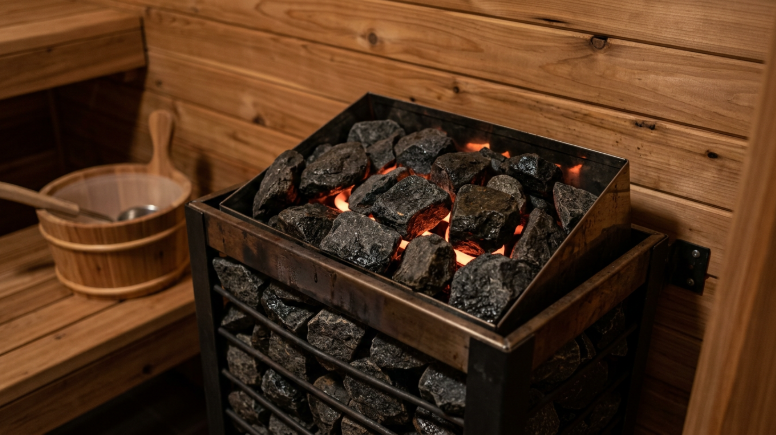
An electric sauna heater and the wood around it need almost opposite cleaning approaches: the metal guard and rocks can handle a damp wipe and an occasional rinse, while unfinished cedar or spruce paneling should never touch soap, solvent, or standing water. Wipe wood surfaces with a dry or barely damp cloth after each session, vacuum dust and rock debris from the heater base weekly, and rinse the rocks every few weeks. The mistake that damages a cabin fastest is treating the whole room like a bathroom and scrubbing wood with the same product used on the heater guard.
Wood Cleaning Versus Heater Cleaning: Why the Rules Differ
Sauna wood is intentionally left unfinished. Cedar, spruce, and heat-treated hemlock are chosen because they resist warping and release almost no resin once hot, but that only holds true if the wood stays bare. Any sealant, oil, or heavy cleaning product fills the wood’s pores and traps moisture instead of letting the board dry between sessions, which speeds up cracking and darkening. The heater guard, by contrast, is powder-coated steel or aluminum built to handle repeated heat cycles and can take a damp microfiber wipe without any of those risks. Treating both surfaces the same way, usually by spraying an all-purpose cleaner across the whole cabin, is the single most common way a bench or wall panel gets ruined inside a year or two.
See also:What Special Interests Have to Do With Speech
What Actually Works on Sauna Wood
Plain water on a soft cloth, wrung out until it is barely damp, handles most sweat residue and light dust on benches and backrests. For a deeper clean, a small amount of mild, unscented dish soap diluted in water works on stubborn spots, followed immediately by a clean water wipe to rinse the soap out before it dries into the grain. Skip anything marketed as a general wood polish or a bathroom cleaner, since both typically contain oils, waxes, or bleach that either seal the surface or lighten it unevenly. A handful of sauna-specific wood cleaners exist and are formulated without those additives, which makes them worth the extra cost for anyone maintaining a cabin regularly rather than reaching for whatever is under the kitchen sink.
Cleaning the Heater Itself: Guard, Element, and Rocks
Once a week, with the breaker off and the unit fully cooled, vacuum loose dust and small rock fragments from around the base of the heater using a soft brush attachment. Wipe the exterior guard with a barely damp cloth, never a soaked one, since water pooling near the element housing or control panel is what causes long-term corrosion and control board failures. The rocks themselves collect mineral dust from tap water poured over them during steam sessions, and rinsing that dust off every few weeks keeps them holding heat efficiently. Full rock replacement every 12 to 24 months, sooner if you notice cracked or crumbling stones, matters more for heater performance than most owners realize, since degraded rocks reduce how evenly heat radiates into the room.
Comparing Clearance Zones for Cleaning Access
Every electric heater ships with a manufacturer-specified clearance from combustible wood surfaces, commonly 2 to 4 inches on the sides and more above the unit, enforced with a physical guard rail. That clearance exists for safety, but it also determines how you can physically reach the heater to clean it. A heater installed at the minimum clearance leaves almost no room to slide a cloth or brush behind the guard, which is why many installers add an extra inch or two beyond the code minimum specifically to make routine cleaning possible without removing the guard entirely. Retailers including Redwood Outdoors, Almost Heaven, and SweatDecks post the exact clearance specs for each heater model on the product page, which is worth checking before installation rather than after the guard is already bolted in place.
Preventing Mold and Mildew Between Sessions
Moisture, not dirt, is the real long-term threat to both the wood and the heater’s surrounding electronics. Leaving the door propped open after each session and running an exhaust fan or vent for twenty to thirty minutes lets residual humidity escape before it settles into end grain or condenses on the heater’s control panel. A cabin that is closed up immediately after use, especially in a humid climate, is far more likely to develop mildew spotting on lower bench boards and near the floor, which is much harder to clean out than surface dust ever is.
What the Research Says About Sauna Use and Consistency
Regular maintenance matters largely because regular use is where the reported benefits of sauna bathing come from. A systematic review in Evidence-Based Complementary and Alternative Medicine looked at the clinical effects of habitual dry sauna bathing and found consistent associations with improved vascular and respiratory markers among frequent users. A related physiology review examined the body’s response to heat and cold exposure patterns, including Finnish-style sauna bathing, and described favorable circulatory adaptations tied to consistent, long-term use. A 2018 review in Mayo Clinic Proceedings summarized comparable cardiovascular associations across multiple population studies. None of this is proof that sauna use prevents disease in a given person, and these are association-level findings from cohort data, but they help explain why a heater that stays clean and reliable, rather than one that gets neglected and eventually fails, is worth the ten minutes of upkeep each week.
Comparing a Weekly Routine Against a Monthly One
How often any of this needs doing depends heavily on how often the sauna gets used. A cabin running three or four sessions a week needs the damp-cloth wipe after every single use and the vacuum-and-inspect pass on a strict weekly schedule, since sweat residue and dust accumulate fast in a small enclosed room under frequent heat cycling. A cabin used once or twice a week can stretch the deeper heater inspection to every two to three weeks, though the after-session wood wipe should still happen every time, since it takes under a minute and prevents the buildup that makes a later deep clean necessary. The mistake heavy users make is skipping the weekly heater check because the wood looks fine; dust and rock debris build up inside the guard well before it becomes visible from a normal seated position on the bench.
Seasonal use adds another wrinkle. A sauna that sits idle for weeks at a time, common with vacation properties or during a hot summer stretch when nobody wants extra heat, should get a full inspection before the first session back: check the rocks for any cracking that happened during the idle period, confirm the guard and vents are free of dust or, outdoors, spider webs and debris, and wipe down any surface that shows dust settling. Restarting a neglected heater without that check is a common way small problems, like a blocked vent or a shifted rock bed, turn into bigger ones after a few sessions.
Frequently Asked Questions
Can you use household cleaners inside a sauna? No. They contain solvents and oils that soak into unfinished wood and off-gas when heated. Use plain water or a diluted mild soap instead.
How often should sauna rocks be rinsed or replaced? Rinse dust off every few weeks and plan to replace rocks every 12 to 24 months, or sooner if they crack.
Should you sand discolored wood inside a sauna? Light discoloration can be sanded along the grain and wiped clean. Do not seal the sanded area with oil or varnish afterward.
Is it safe to clean the heater guard while the unit is warm? No. Switch off the breaker and let it cool fully before wiping the guard or control panel.
References
- Clinical Effects of Regular Dry Sauna Bathing: A Systematic Review, Evidence-Based Complementary and Alternative Medicine, 2018
- Effects of heat and cold on health, with special reference to Finnish sauna bathing, American Journal of Physiology, 2018
- Cardiovascular and Other Health Benefits of Sauna Bathing: A Review of the Evidence, Mayo Clinic Proceedings, 2018
By Nathan Ross