AI vs. Human Intelligence: Understanding the Differences
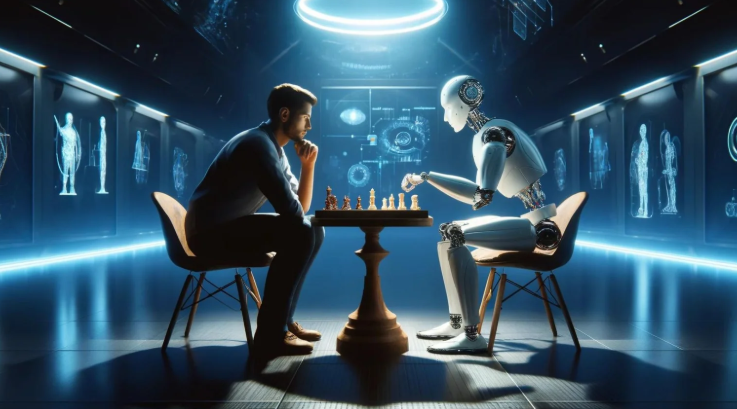
The distinction between AI and human intelligence lies in their inherent characteristics. AI is adept at processing large datasets and delivering consistent results, but it lacks the emotional depth and cognitive flexibility found in humans. Conversely, human intelligence thrives in navigating complex social situations with creativity and empathy. This divergence raises critical questions about their respective strengths and limitations, and how they might complement each other in future collaborations across various domains.
The Fundamental Characteristics of AI
The fundamental characteristics of artificial intelligence (AI) distinguish it from human intelligence in significant ways. AI primarily relies on machine learning algorithms to analyze data patterns, enabling rapid cognitive processing.
Unlike humans, AI systems operate without emotional biases, focusing solely on data-driven outcomes. This precision allows for consistent performance across tasks, highlighting the systematic nature of AI compared to the nuanced complexities of human thought.
See also: AI Tutors: Are They the Future of Education?
The Unique Attributes of Human Intelligence
Complexity defines human intelligence, setting it apart from artificial counterparts.
This intelligence encompasses emotional reasoning, allowing individuals to navigate social contexts and empathize with others.
Additionally, creative thinking enables humans to innovate and solve problems in unique ways, fostering adaptability in uncertain environments.
These attributes enhance the capacity for independent thought, reflecting a profound depth of understanding and experience that remains unparalleled by AI.
Strengths and Limitations of AI and Human Intelligence
While artificial intelligence excels at processing vast amounts of data and executing tasks with speed and accuracy, human intelligence offers nuanced judgment and emotional insight.
Machine learning enhances AI’s problem-solving capabilities, yet it lacks cognitive flexibility.
Conversely, humans leverage emotional understanding, enabling adaptive responses in complex situations.
This interplay of strengths and limitations defines the distinct roles of AI and human intelligence in various domains.
The Future of AI and Human Collaboration
As artificial intelligence continues to evolve, its collaboration with human intelligence is expected to transform various sectors, enhancing productivity and innovation.
This partnership will foster collaborative innovation, enabling both entities to leverage their strengths.
However, ethical considerations must guide this evolution, ensuring that AI complements rather than replaces human judgment, ultimately creating a balanced synergy that respects autonomy and promotes shared growth.
Conclusion
In the intricate tapestry of intelligence, AI and human thought are threads woven with distinct colors and textures. While AI operates as a relentless engine of data processing, human intelligence dances gracefully through the intricacies of emotion and creativity. Recognizing and harnessing the unique strengths of both can lead to a harmonious collaboration, where technology amplifies human insight, creating a future rich in potential. This synergy promises not only enhanced productivity but also a deeper understanding of the human experience itself.